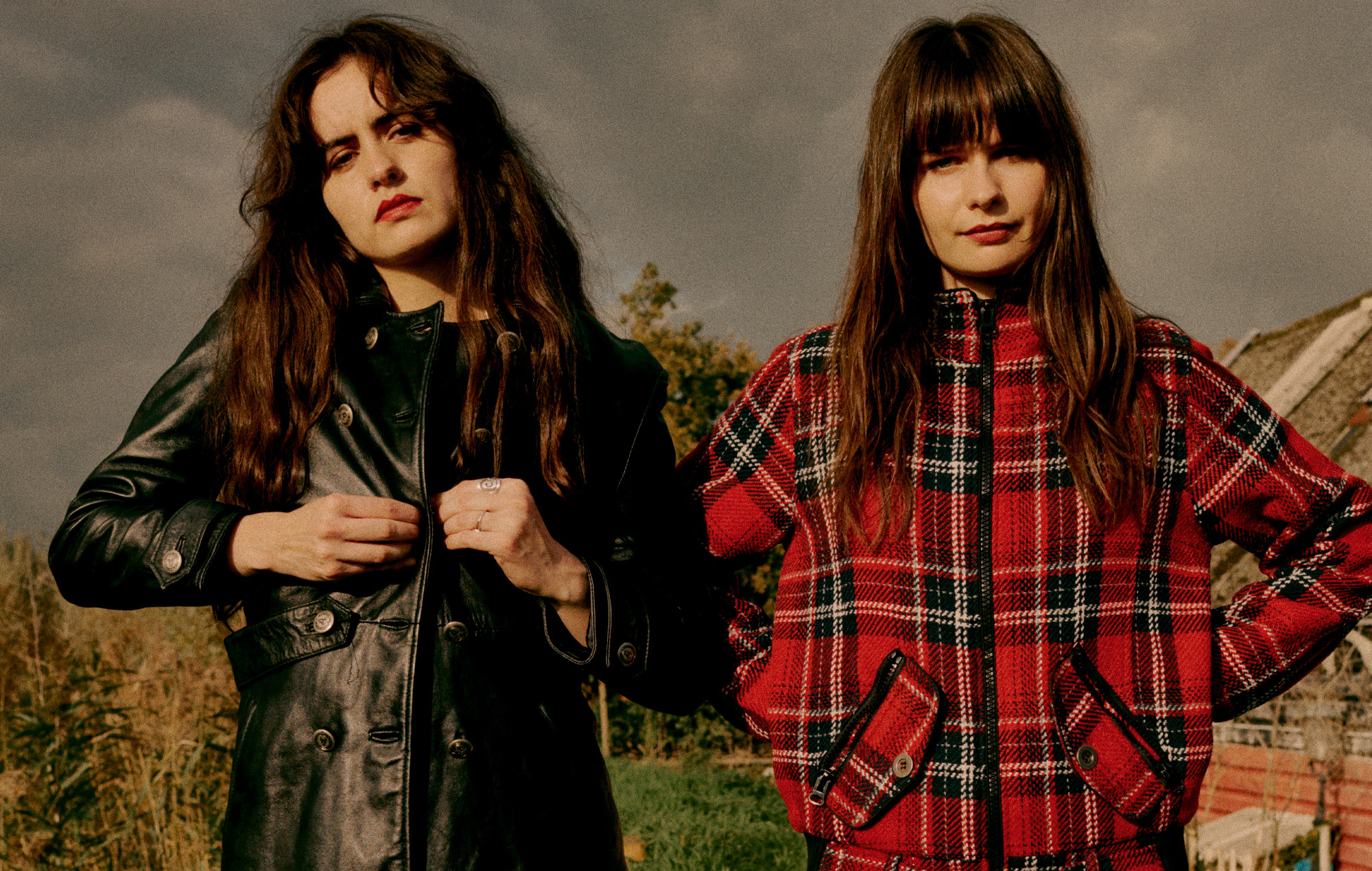
When Amsterdam sisters Sarah and Julia Nauta released their debut album, The Fear That This Is Real, they stepped straight into an ongoing conversation about why quiet, introspective songwriting carries such weight right now. Recording together as Sarah Julia, the pair have spent recent months considering how acoustic music functions for people navigating daily pressures. Alongside those thoughts, they put together Witching Season, a twenty one track collection streaming on Spotify and Apple Music that maps out the listening habits surrounding their own work.
Rather than sticking to rigid definitions of folk, the selections on Witching Season trace an emotional sensibility that cuts across genres. The compilation places artists like Mazzy Star, Agnes Obel, and Laura Marling right alongside the heavier post punk drive of Fontaines D.C. Hearing guitar driven Dublin rock beside Obel's spectral arrangements and Marling's measured fingerpicking shows how different styles can express the same interior tension. For the Nauta sisters, bringing those names together proves that brooding energy, hushed arrangements, and quiet melodies can easily occupy the exact same room when the core intent matches up.
That focus on plain spoken honesty directly informs how the duo view their listeners, especially the young people who have embraced folk traditions with unexpected enthusiasm. Sarah points out that the style creates a rare kind of stillness. In her eyes, the vulnerability baked into acoustic music asks listeners to stop rushing, look inward, and sit comfortably with quiet moments instead of constantly searching for ways to drown them out.
Julia approaches the subject from a complementary angle, focusing on how people process emotional strain. Everyday life generates an exhausting amount of noise and friction. While loud, aggressive songs provide an outlet for working through anger, she believes that response does not answer every emotional need. Underneath that frustration lies an equally strong urge to simply feel held or supported when circumstances become too heavy to shoulder alone. She views folk shows as settings where that protective armor can finally drop, giving rooms full of strangers permission to shed tears together without feeling cut off from the world.
That collective openness became an unmistakable reality during Sarah Julia's recent tour across the United States. Night after night, the sisters performed Daughters, a track centered on the most harrowing aspects of growing from girlhood into womanhood. The piece took on a far heavier charge during the run, arriving on stage shortly after the Cornell 7 case became a focal point of public discussion.
Setting the song aside was never an option. Julia felt that playing it was an absolute necessity for every room they visited. After the concerts, audience members would approach the sisters just to thank them for keeping the song in their set. Julia found herself returning that appreciation, realizing that the crowd was offering an equal amount of openness in return. Standing in that shared space felt empowering, but it also brought the sobering realization of just how many people in those rooms carried the exact same painful experiences.
Folk music is often treated as simple, pastoral comfort, but Sarah Julia clearly see it as something much sturdier. Across their debut record, their American tour dates, and the tracks gathered on Witching Season, the sisters prove that stripped down arrangements remain one of the most reliable ways to confront difficult truths directly.