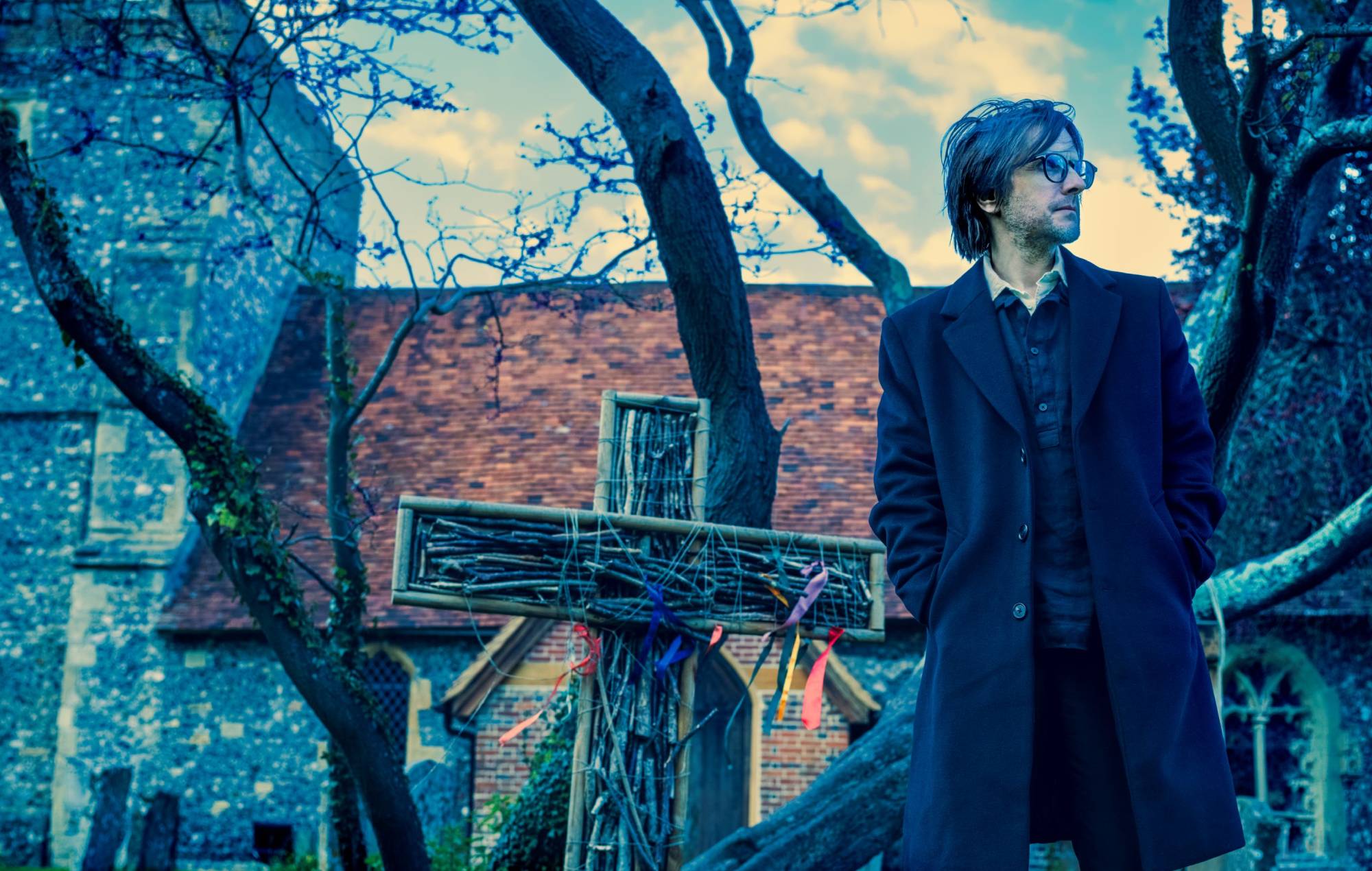
A year after examining the psychological shift astronauts experience when gazing back at Earth on The Overview, Steven Wilson has set his sights firmly on the soil underfoot. His ninth solo effort, titled Requiem For A Village, arrives on November 6 through Fiction Records. The record marks a distinct pivot from its predecessor, trading cosmic observation for an inward turn rooted in the ground, driven by rough textures and a firm refusal of contemporary digital recording habits.
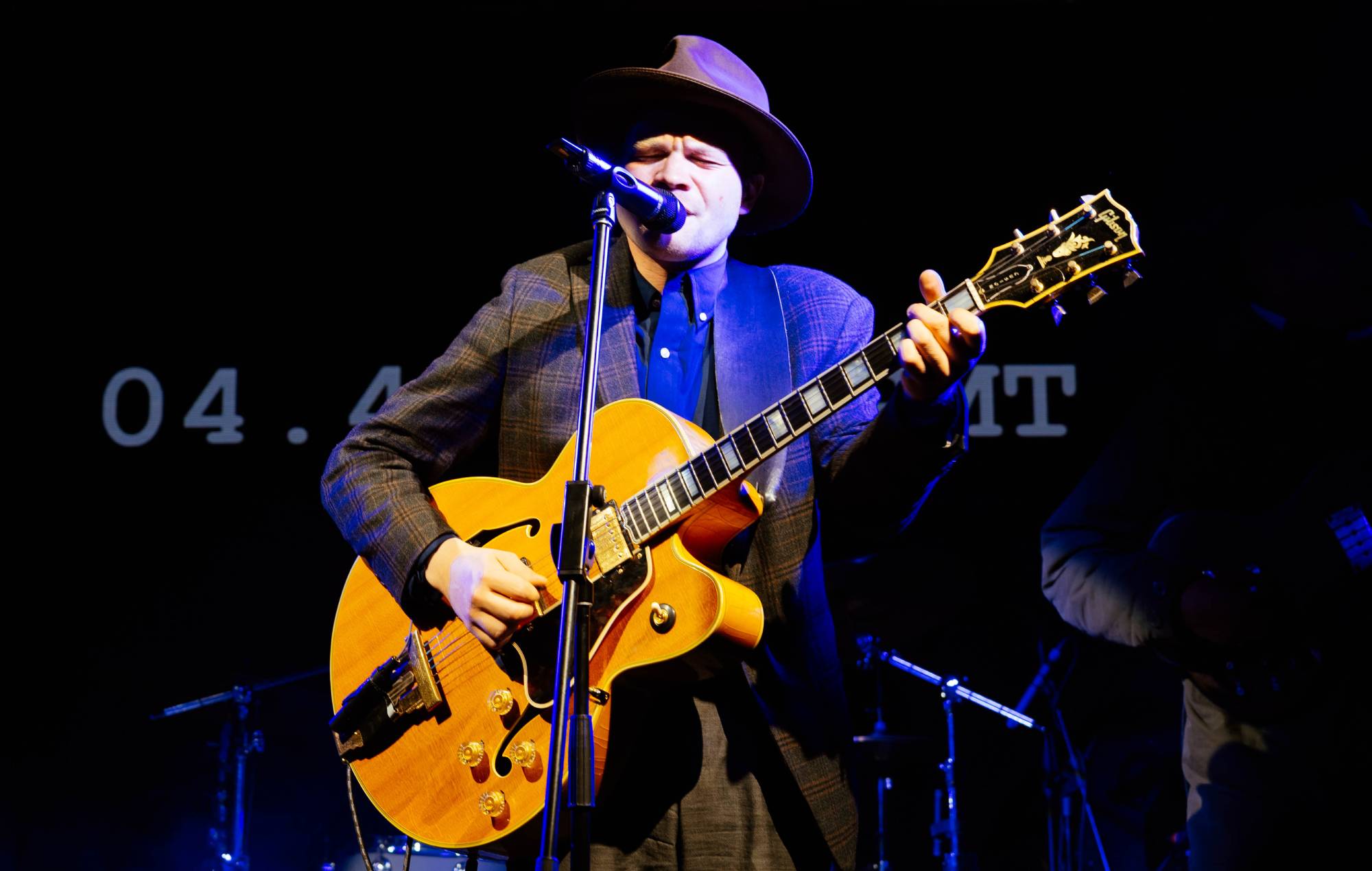
At a time when automated pitch correction and artificial intelligence have become ordinary studio utilities, Wilson decided to bypass computer fixes altogether. His recording process favored untamed analogue equipment and direct playing, even when his own technique fell short. To pull himself away from ingrained habits, he sat behind a drum kit and picked up both the violin and the oboe, two instruments he had never mastered. Rather than smoothing away the resulting clumsiness, he preserved those natural discrepancies, letting synth drift and unstable tuning bring out a character that modern digital tools typically scrub clean.
Wilson explained that this method was an intentional pursuit of metaphorical thumbprints, celebrating human flaws that software simply cannot reproduce. Approaching unfamiliar gear allowed him to write from a place of genuine innocence, following the sounds wherever they led rather than falling back on comfortable technique. That path, as he put it, pointed him straight to the village. The setting is further populated by outside contributors, featuring spoken narration scripted by XTC songwriter Andy Partridge and delivered by actor David Tennant.
The album runs across twelve tracks that map out this rural world. The sequence begins with Swirl In A Lark's Eye before moving into the title track, which has been issued alongside the album announcement. From there, the record progresses through The Same River Twice, Now Departing, Hiraeth, and On Chapel Slope. Later pieces include Murmuration, Curcus Fingerprint, A Basket Of Bees, Great Green Map, and Wheel, before arriving at the closing chapter, The Old God Is Buried.
This embrace of loose timing and untreated instrumentation offers an intriguing contrast to Wilson's long running work as a premier audio restorer. Since 2009, he has built an extensive catalog of spatial audio mixes created from original master tapes, revisiting celebrated albums by The Who, Tears For Fears, Chic, ABC, Ultravox, Suede, Van Morrison, and Manic Street Preachers. Not every project has reached the public, however. Last year, Wilson revealed that an ambitious spatial mix of Use Your Illusion I and Use Your Illusion II for Guns N' Roses, covering nearly forty songs along with related outtakes and B-sides, ended up shelved after the band proved unhappy with the final audio.
Despite his deep familiarity with multichannel mixing in treated rooms, Wilson remains realistic about the limits of spatial sound in a touring environment. While multichannel audio can create an enveloping experience in a dedicated studio, reproducing that clarity on the road presents enormous logistical hurdles. Calibrating a venue properly can take an entire week, an impossible requirement for an artist performing in a different city each night. Wilson notes that real advancement will require venues to install permanent multispeaker arrays, pointing to The Sphere in Las Vegas as an early glimpse of how immersive live sound might work. Until that kind of infrastructure becomes widespread, Requiem For A Village demonstrates that Wilson is just as compelled by what happens when modern studio convenience is abandoned entirely.