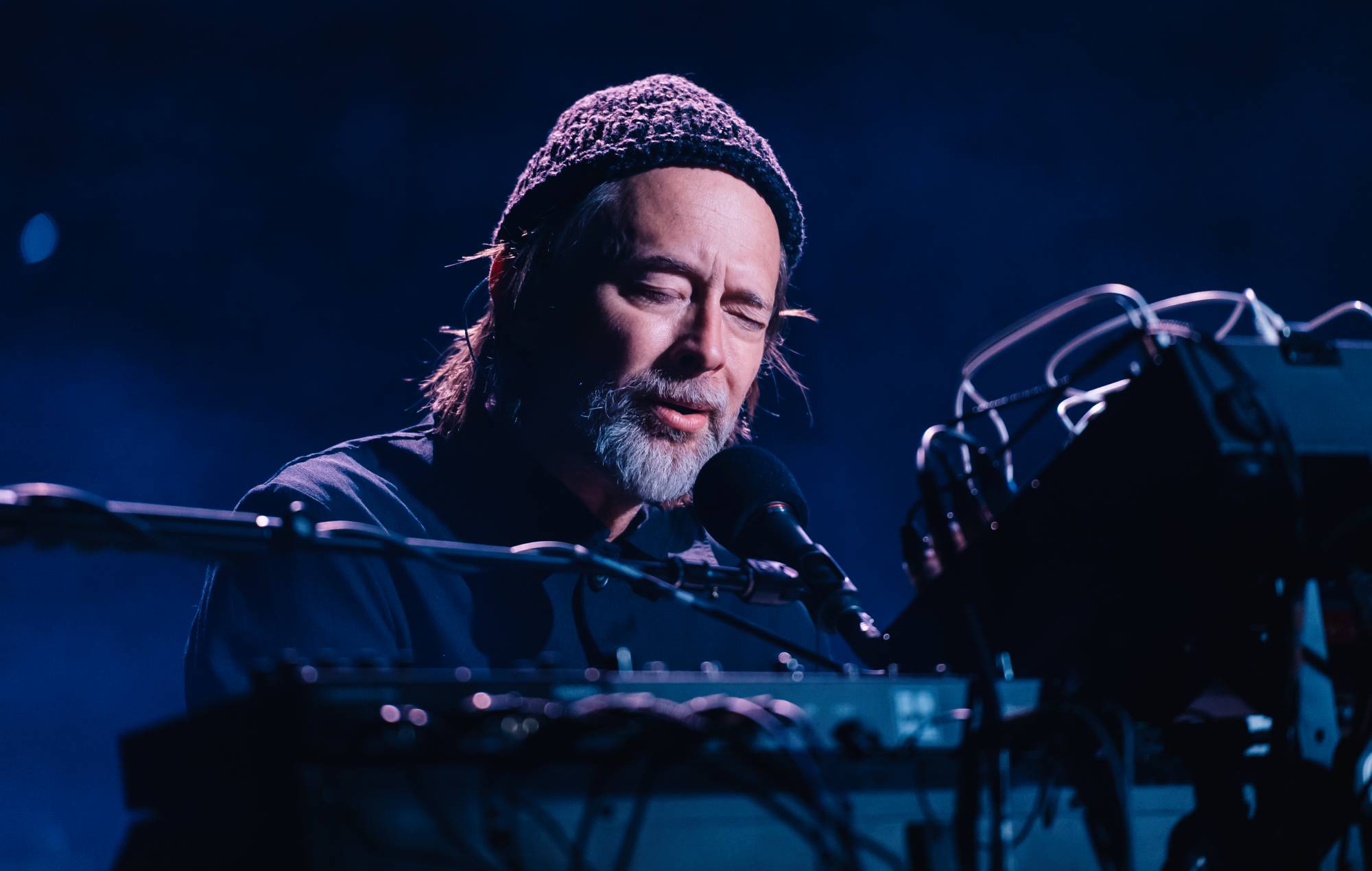
Few things in popular music are quite as emotionally fraught as returning to an old band. When Radiohead stepped back into arenas in late 2025 after a hiatus spanning more than seven years, the twenty dates across Europe seemed on the surface like an unmitigated triumph. Yet for Thom Yorke, the aftermath of those concerts carried a sharp, unexpected toll. Confronting his musical past on such a scale left him dealing with a severe crash in his self-confidence, an emotional slump that took two months to lift.
The tour started with an immediate surge of feeling. At their opening show in Madrid, the group made their way to the stage directly through the crowd. Before they had even picked up an instrument, Yorke and the rest of the band were fighting back tears, overwhelmed by a room and an energy they had not encountered together in years. From Spain, the run carried through Bologna, London, Copenhagen, and Berlin over the course of November and December. By Yorke's own account, the performances themselves were a source of genuine joy while they lasted.
The trouble began once the noise stopped. Speaking recently with Harry Styles, who presented him with an Academy Fellowship at the 2026 Ivor Novello Awards, Yorke described how the silence that followed the tour gave way to a disorienting crisis. Sifting through old work and soaking in retrospective adulation felt deeply unnatural to him. It took eight weeks, and the decision to begin recording a fresh solo project, before he felt his creative balance return.
That discomfort with looking backward seems to colour Yorke's view of the entire industry apparatus around milestones. During the Ivors presentation, Styles offered a candid personal story, telling the room that he had lost his virginity to Radiohead's 1995 b-side Talk Show Host. Yorke welcomed that sort of blunt, human honesty. What he found far harder to swallow was the surrounding spectacle, with its television cameras and the creeping sensation of being packaged as a museum piece. For Yorke, spending time around legacy assessments runs counter to how he creates. Starting from scratch feels clean, because new work requires no historical defense, whereas public nostalgia forces an artist to evaluate what they have already done.
Breaking out of the post-tour funk ultimately required throwing himself back into an unfamiliar creative space. Yorke has spent recent months working alongside producer Sam Petts-Davies on new solo material, crafting songs that he indicates sound entirely unlike his previous releases. That forward drive appears to be the only real antidote to the weight of his earlier work.
Where this leaves Radiohead as a recording unit is much less certain. While the European shows proved the band can still inhabit their catalogue together on stage, Yorke has acknowledged that they have not shared a studio in a very long time. Because of that extended absence, he cannot guess what the atmosphere would actually be like if all five members stepped into a recording room again.
Live audiences, however, will not have to wait indefinitely to see them. Radiohead have already booked twenty-one dates across Japan and Australia for 2027. That schedule guarantees that their older songs will once again fill vast venues, even if Yorke finds the nostalgia uncomfortable. For now, the singer remains committed to the rhythm that has always protected him, keeping his focus fixed on the next piece of music rather than lingering over the past.