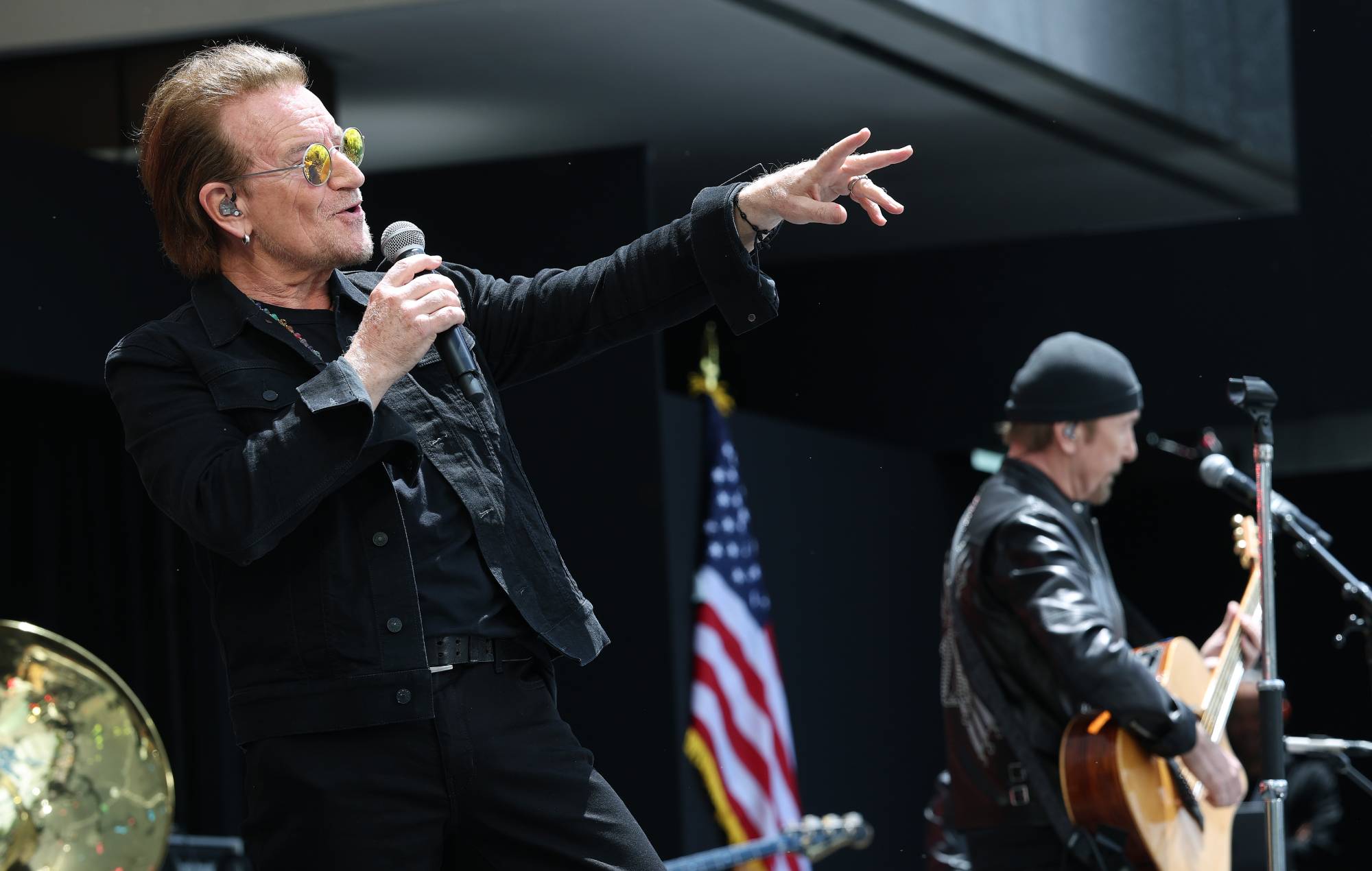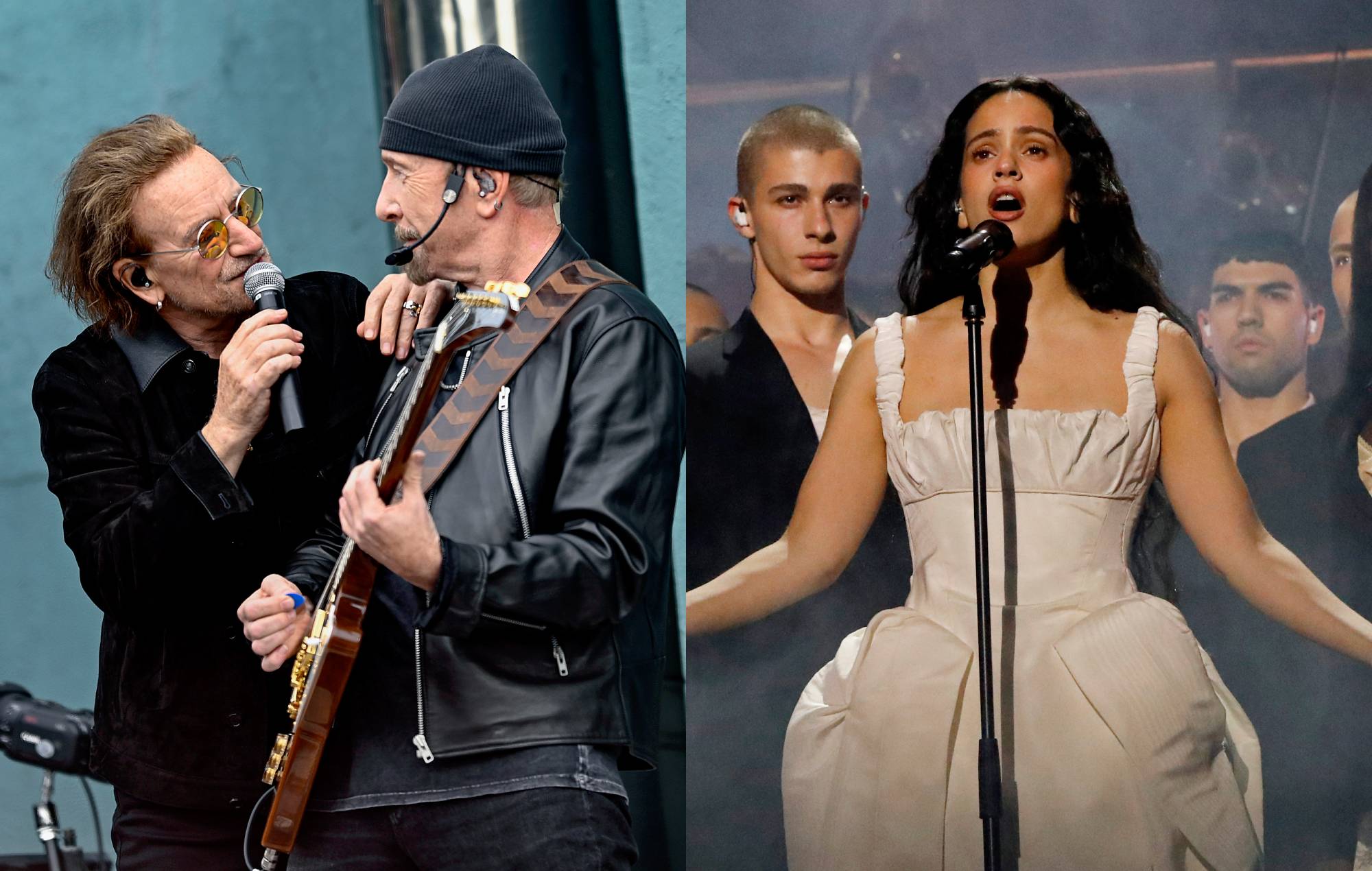
Marking a half century together as a band, U2 are preparing to release their sixteenth studio album, Carnaval De Luz, on November 13. It is their first record of completely fresh material since Songs Of Experience landed in 2017, and among its selections sits an unexpected portrait of a modern peer. Arriving at track four is The Mirror Maker (Rosalía), an acoustic piece conceived by Bono as a direct tribute to the Spanish musician.
Bono readily admits that directing his pen toward a living, active contemporary breaks longstanding habits. For decades, the band's songs have tended to honor historical figures, political prisoners, or departed heroes. Looking across the aisle at someone currently thriving felt unusual, yet he explained that the urge simply came down to acknowledging an extraordinary talent.
Much of that spark caught after the arrival of Rosalía's 2025 album, Lux. That record paired orchestral arrangements with modern electronic production and vocals delivered across thirteen different languages, probing sacred imagery and spiritual questions. Bono immediately recognized a creative parallel. U2 were already writing toward the concept of light for Carnaval De Luz, with both album titles translating directly to the same word in Latin and Spanish. Having Rosalía arrive at that concept slightly before them was, in Bono's estimation, both deeply motivating and mildly irritating. He felt an obvious kinship in her impulse, seeing both projects as efforts to pursue the re-enchantment of the world through sound.
Yet the composition itself spent years in gestation before Rosalía ever entered the frame. It first surfaced around 2017 as an instrumental demo composed by The Edge under the title Kuti Rocker, intended as a nod to Nigerian Afrobeat pioneer Fela Kuti. From there, it drifted through alternative working titles, including Delilah and Child Of The Age, before finding its eventual direction. Producer Jacknife Lee noted that the track on Carnaval De Luz is version number one hundred and ninety-six. Throughout that exhaustive process, the group chose to dismantle the original heavy rock presentation. Seeking to avoid an overly masculine aesthetic, Lee and the band steered the song toward the acoustic arrangements heard on David Bowie's Ziggy Stardust and the work of T. Rex.
Because the song evolved so slowly, Rosalía's global stature grew dramatically before U2 could release their homage. Bono confessed that watching her career reach such heights in the meantime caused him some mild embarrassment, though he quickly brushed off the worry. In his view, listeners knew perfectly well who Martin Luther King was when artists wrote pieces in his name.
Securing Rosalía's blessing required an intermediary. Hesitant to contact her out of nowhere and wary of appearing intrusive, Bono consulted actress Penélope Cruz, an acquaintance of both performers. Cruz offered plain advice: pick up the phone. The resulting exchange put Bono at ease, leading to text messages where both artists discussed their mutual admiration for twentieth-century Spanish poet Federico García Lorca. Even so, the pair have never met in person, and Bono mentioned he is still trying to muster the nerve to deliver the final album mix to her.
The Spanish singer has evidently found favor with Irish acts of late. On October 16, just a few weeks ahead of Carnaval De Luz, Rosalía will appear alongside Fontaines D.C. on Where Is Gone?, a track from their fifth studio collection, Dopamine Chamber, via XL Recordings.
U2's upcoming record carries another significant guest appearance at its close. The final track, a country ballad named Torn, features the final recorded vocal from the late Dolly Parton. Tracked two months prior to her death in August, the song was co-written by U2, Parton, and Johnny McDaid, with Daniel Lanois providing pedal steel guitar. Bono remembered Parton getting out of bed while gravely ill to cut her parts, noting that the completed take remains difficult for him to revisit. Preceded by the singles Street Of Dreams and Silencio, Carnaval De Luz captures the band looking outward as much as looking back.