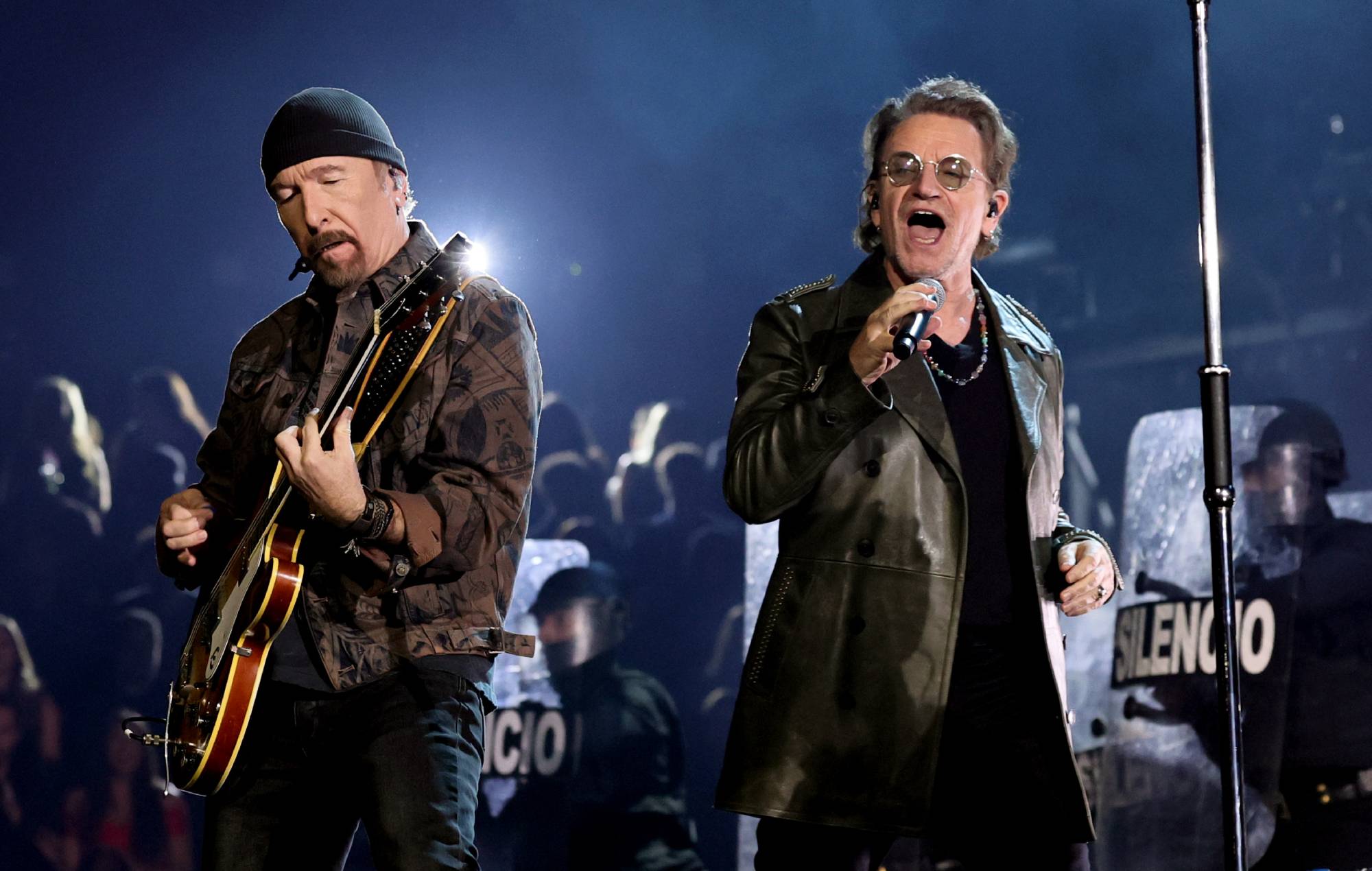
Anyone who tried securing a seat for U2's run at Tottenham Hotspur Stadium knew the drill, but the speed of the sellout still left thousands stranded. The Irish band announced four London dates for June 2027 under their The Greatest Show On Earth tour, only for inventory to evaporate in minutes. The real frustration began shortly after, when thousands of those same seats appeared on resale exchanges at inflated prices.
What caught the eye this time was not just the familiar markup, but the staggering concentration of stock held under one name. A seller calling themselves Vladyslav Skrypka, registered on StubHub with an address in Harlow, Essex, put up more than 2,000 tickets for the London concerts. For a single night alone, the account offered over 1,800 seats. Some were pitched at more than four times face value. Taken together at those asking prices, the listing represents an inventory worth more than one million pounds. Because primary ticket vendors strictly limit how many passes a single person can buy, how one account ended up with thousands remains the central mystery.
The UK banned automated ticket purchasing software back in 2018, making it illegal to use bots to skirt limits. Even so, industry observers argue that little has changed on the ground. Adam Webb of the campaign group FanFair Alliance noted that an inventory of this size usually stems from one of two avenues: automated bulk buying or speculative listings, where a tout advertises tickets they do not yet possess in the hope of sourcing them later once a customer pays. Assessing the vetting on secondary sites, Webb asked, "Have they seen evidence of Vladyslav’s receipts?" Whether obtained through digital tools or speculative promises, the batch shows how easily primary purchase restrictions can be sidestepped.
The incident has reignited the usual argument between primary and secondary ticketing companies. StubHub International maintained that it bans speculative listings and expects its sellers to confirm they own the tickets or hold the right to sell them. The platform stated its opposition to bots, arguing that the true responsibility for stopping illicit buying sits at the initial point of sale. Ticketmaster pushed back against the claim that primary outlets are falling short. The vendor revealed that it blocks 20 billion bot attempts across its systems every month, arguing that the lucrative margins available on secondary platforms are precisely what drives touts to target ticket drops.
All of this plays out against a sluggish political backdrop. Back in November 2025, Culture Secretary Lisa Nandy promised decisive measures against inflated resales, outlining plans that would prevent tickets from being sold above their original price and give the Competition and Markets Authority the power to issue fines reaching 10 per cent of a secondary site's annual turnover. When the legislative agenda arrived in the King's Speech this past May, however, the government produced only a draft Ticket Tout Ban Bill. The decision to pursue further consultations brought open disappointment from the music sector, with Webb asking why ministers opted for a protracted process when ticket buyers needed immediate protection.
U2 are hardly alone in facing these disruptions. Throughout October, other high-profile tours ran straight into automated interference. RAYE saw her Royal Albert Hall registration overwhelmed by artificial intelligence bots, generating 1.8 million signups for a venue that holds only 5,000 people. Later that same month, Sam Fender was forced to postpone the presale for his Newcastle stadium dates when an aggressive bot attack hit the Gigantic platform.
Fans certainly have plenty of reason to show up. U2 issued their new record Carnaval De Luz on November 13, and they have brought Wolf Alice along to handle support duties across the UK and Europe. Yet when a single reseller can control over a million pounds in stadium seats within hours of a public sale, the pipeline connecting artists to their audience is clearly failing. Until the government turns its draft proposals into enforceable law, concertgoers will continue paying the price.