
Music News
Beyoncé’s ‘B’Day’ Returns to Billboard 200 as 20th Anniversary Reissue Drives Major Revival
Two decades after its original release, Beyoncé’s B’Day has returned to the Billboard 200, fueled by an expanded anniversary edition and renewed interest in one of her defining albums.
September 15, 20264 min read
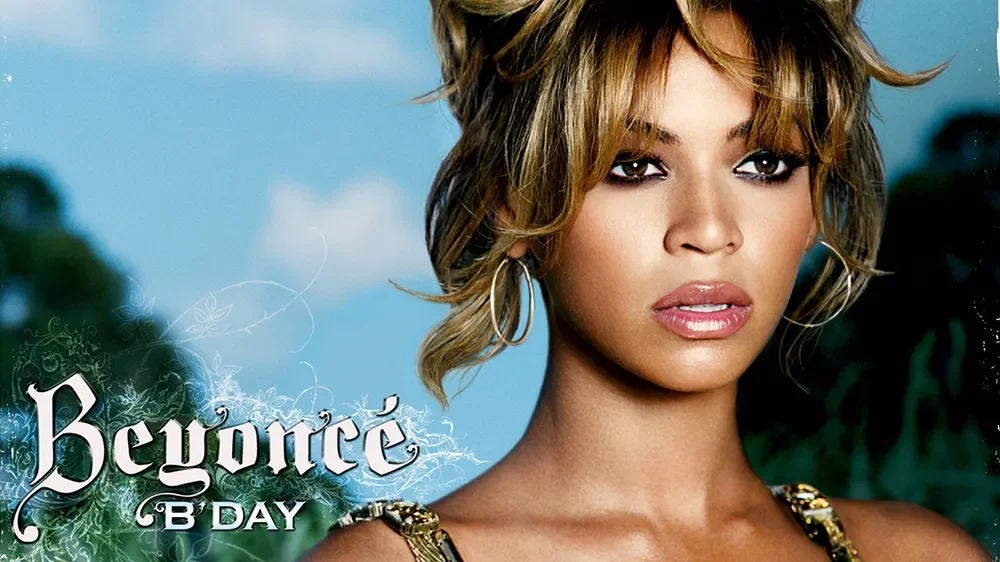
Beyoncé’s B’Day has returned to the Billboard 200 nearly two decades after its original release, giving one of the defining albums of her early solo career a substantial second li…
Beyoncé’s B’Day has returned to the Billboard 200 nearly two decades after its original release, giving one of the defining albums of her early solo career a substantial second life on the U.S. charts. The album re-entered the Billboard 200 at No. 8 on the latest chart, following the release of an expanded 20th-anniversary edition. The return is more than a nostalgic appearance on an anniversary list. B’Day generated 38,000 equivalent album units during the latest tracking week, an increase of 385 percent from the previous period. The album’s resurgence was driven by both streaming and traditional sales, demonstrating how a major catalog release can still compete in an increasingly streaming-dominated market. B’Day was originally released in September 2006 and became Beyoncé’s second No. 1 album in the United States. At the time, the record represented a significant step in the singer’s development as a solo artist. She had already established herself as one of the most recognizable voices in contemporary R&B through Destiny’s Child and her first solo album, Dangerously in Love. B’Day pushed that momentum further, combining R&B, pop, funk and dance influences into a record that was both commercially ambitious and closely tied to Beyoncé’s growing artistic identity. Twenty years later, the album remains one of the most recognizable entries in her catalog. The anniversary campaign has now given listeners a reason to revisit the full project rather than simply return to its biggest singles. The expanded edition includes additional material and has been issued across several formats, including vinyl, CD and digital editions. The reissue also includes Morning Dew (Donk), Beyoncé’s latest Billboard Hot 100 entry. The song debuted at No. 26 in July and subsequently reached No. 1 on the Adult R&B Airplay chart dated Sept. 12, giving Beyoncé another major radio milestone while connecting her current work directly to an album released in 2006. That connection is important to the renewed attention around B’Day. Anniversary campaigns for major albums often depend on nostalgia, but Beyoncé’s current chart presence gives the project a more immediate relevance. Rather than simply celebrating an older record, the expanded edition places B’Day back into the conversation around her current career. Streaming played a particularly significant role in the album’s return. B’Day generated roughly 22.5 million on-demand official streams during the latest tracking period, accounting for 22,000 streaming-equivalent album units. Those numbers were enough to place the album at No. 19 on the Top Streaming Albums chart. Physical and digital purchases also contributed heavily to the comeback. The album re-entered the Top Album Sales chart at No. 4, with approximately 16,000 album sales during the week. That combination is notable because catalog albums returning to the Billboard 200 can often be driven primarily by streaming. In B’Day’s case, the anniversary campaign appears to have generated meaningful interest across multiple formats. The resurgence also illustrates the unusual durability of Beyoncé’s catalog. Her career has continued to evolve dramatically since B’Day, from the genre-spanning approach of I Am... Sasha Fierce to the visual album era of Beyoncé and Lemonade and the dance and house influences explored on Renaissance. Yet B’Day continues to occupy a distinct position within that history. It captures an artist in the middle of a transformation, moving from established R&B superstar to one of the most influential figures in modern popular music. The album’s original singles helped define that period. Tracks such as Déjà Vu, Ring the Alarm, Irreplaceable and Beautiful Liar became major parts of Beyoncé’s catalog, while the album itself demonstrated how far she could stretch beyond the expectations surrounding her first solo era. Its return to the Billboard 200 therefore carries significance beyond the anniversary number. For longtime listeners, the reissue provides another opportunity to revisit an album that helped establish Beyoncé’s long-term direction. For younger listeners, the renewed attention offers an entry point into a period of her career that predates much of the visual and conceptual work that would later become central to her public identity. The timing also reflects a broader trend in the current music business. Major artists are increasingly using anniversaries to revive catalog albums through expanded editions, physical releases and previously unreleased material. When those campaigns succeed, they can produce chart results that rival those of much newer releases. Beyoncé’s B’Day is now one of the clearest examples of that strategy in 2026. Its No. 8 return puts the album alongside contemporary releases on the Billboard 200 while reminding the market that an influential album does not necessarily lose commercial relevance simply because it is two decades old. Twenty years after B’Day first arrived at No. 1, Beyoncé has once again placed the album inside the upper reaches of the U.S. album chart. This time, the achievement is not about launching a new era. It is about demonstrating how much staying power an important album can have when the artist, the music and the audience remain connected across generations.
Written by
 Amine JlassiCEO, Founder and Journalist
More From Shindig Music

Music News
Sam Fender Scraps Golden Circle Standing for 2027 Stadium Shows After Fan Backlash
Sam Fender has pulled premium tiered standing from his upcoming stadium tour and lowered admission prices following complaints from fans.
October 25, 20263 min read

Music News
Dallas Cowboys Cheerleaders Company Seeks Injunction Against My Chemical Romance
Pro Silver Star Ltd. has asked a Texas court to block My Chemical Romance from dressing stage performers in Dallas Cowboys Cheerleaders outfits during their Hollywood Bowl residency.
October 25, 20263 min read
Music News
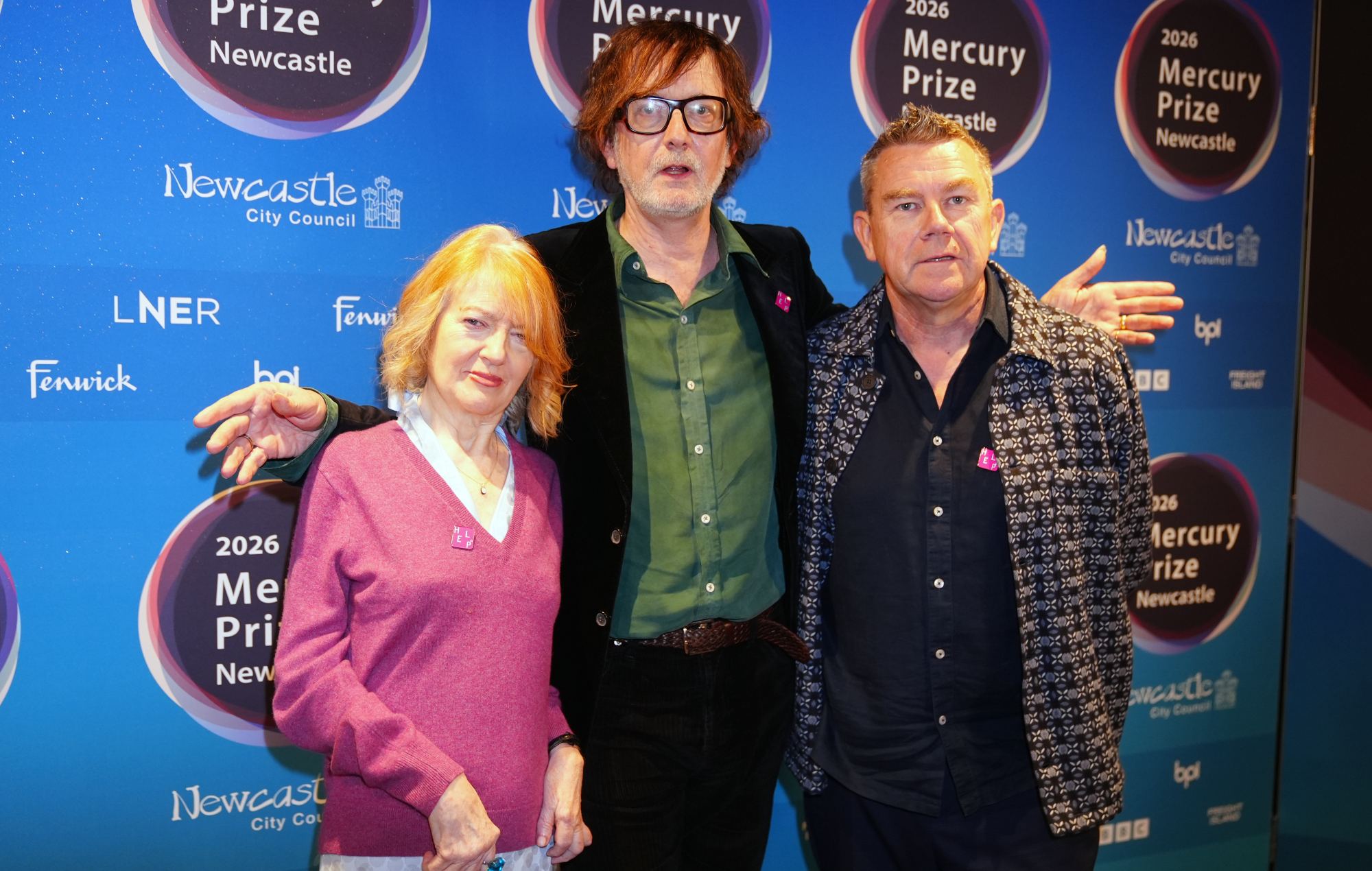
Pulp Recall Donating Mercury Prize Money to Brian Eno and Returning for War Child
Thirty years after handing over their 1996 Mercury Prize money to Brian Eno, Pulp returned to the ceremony in Newcastle to perform on behalf of Help(2).
October 25, 20263 min read