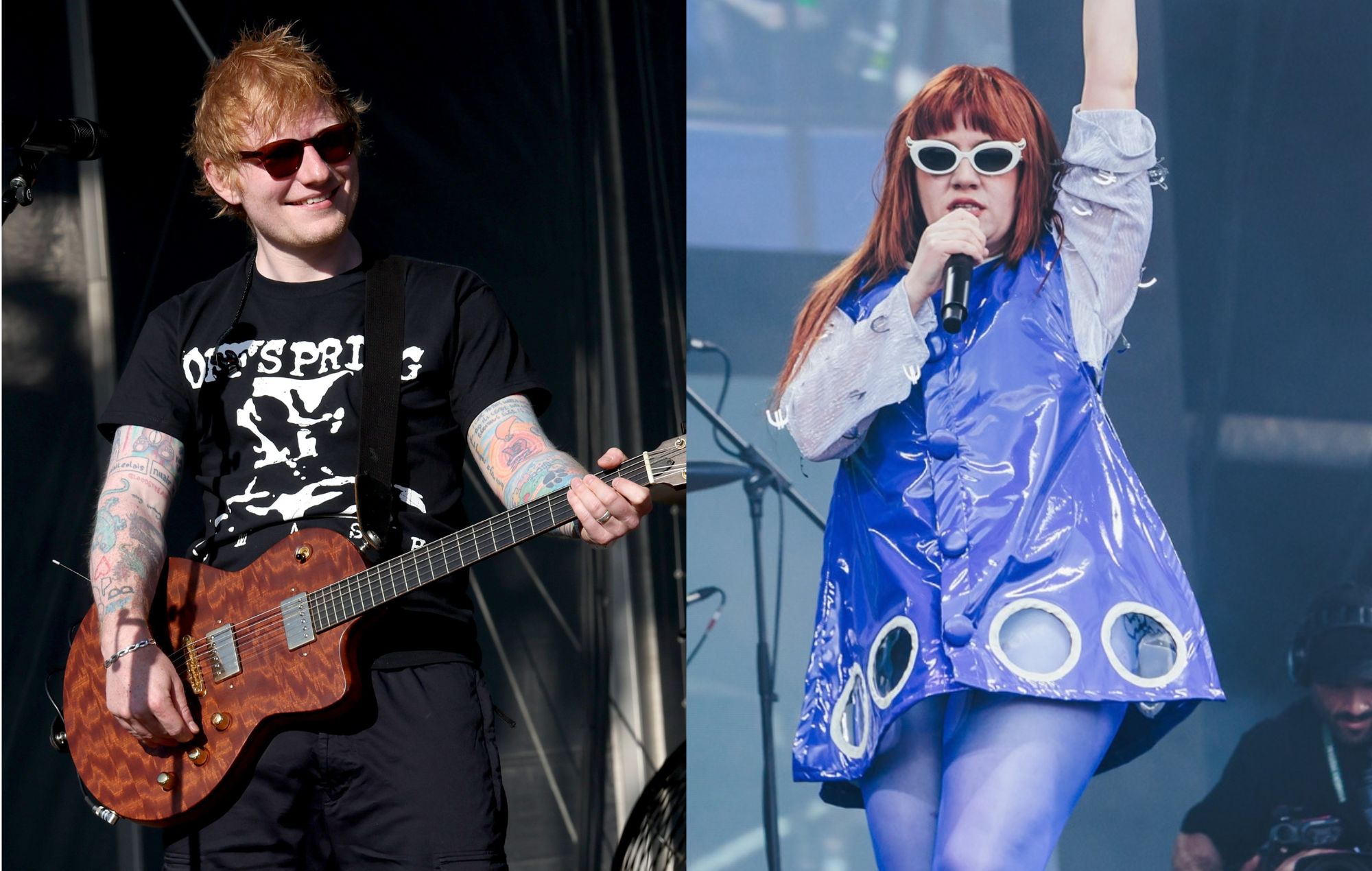
When CMAT sat down on The Daily Show to talk through the fallout from Ed Sheeran's Loop tour, she offered a take that ran against the general direction of public outrage. Rather than joining the chorus condemning Sheeran for dropping Macklemore from his stadium dates, the Irish songwriter argued that the English pop star was primarily out of his depth and working with terrible advice from his inner circle.
The controversy started when Macklemore used his slot as a supporting act to give an on stage speech advocating for a free Palestine. That address drew swift resistance from several prominent voices. Gillette Stadium and New England Patriots owner Robert Kraft described the remarks as deeply offensive and hurtful to the Jewish community. Pop singer Pink and the Israeli American Council also pressed for the rapper to be taken off the bill, and Macklemore was soon cut from the tour.
The removal sparked an immediate backlash from within Sheeran's own camp and across the wider music world. Other scheduled openers and members of Sheeran's touring band resigned from the remaining dates in solidarity with Macklemore. As the situation grew more complicated, Sheeran released a statement clarifying that he was not complicit in the affair. He stated that he was appalled by the Israel and Palestine conflict and termed the suffering on both sides a tragedy. When the tour arrived in Philadelphia, Sheeran spoke directly to the crowd from the stage, apologizing for making mistakes.
Around the same time, Kraft disclosed that Sheeran had asked him to match a two million dollar humanitarian contribution. Macklemore, meanwhile, announced that he had donated his full one million dollar earnings from the tour across six organisations working to support Palestinians. The rapper also received public backing from a wide range of well known figures, including Hayley Williams, Billy Bragg, Greta Thunberg, Amelia Dimoldenberg, Dropkick Murphys, Roger Waters, and Massive Attack.
Reviewing the disorder, CMAT admitted she felt sympathy for Sheeran, saying he clearly did not understand what he was walking into. From her perspective, an artist with Sheeran's box office weight had more than enough leverage to resist corporate panic. She argued that he could easily have refused to dismiss Macklemore, pointing out that Sheeran had the standing to threaten a complete tour cancellation, an outcome promoters would never have allowed.
Instead, she noted, the machinery of major pop stardom took over. When an artist operates at that commercial altitude, they are surrounded by extensive management teams making massive sums of money, creating constant pressure to protect the artist as a financial asset. That dynamic, CMAT explained, led Sheeran to follow exceptionally bad guidance.
She also offered a cultural context for why audiences reacted so strongly, linking the scrutiny directly to Sheeran's public embrace of his Irish roots. Sheeran had made that heritage a key part of his recent music and personal brand, even hiring skilled Irish musicians to perform alongside him. According to CMAT, claiming that tradition carries specific expectations. When an issue occurs that she referred to as a genocide, Irish audiences will naturally demand that an artist align with the values of the culture they took on.
In her view, bringing those players into his circle put Sheeran in an unusual spot compared to other stadium acts who surround themselves with people who never push back. CMAT concluded that Sheeran was ultimately unlucky in the choices he made, pointing out that plenty of figures in the music industry behave far worse while avoiding similar public censure.