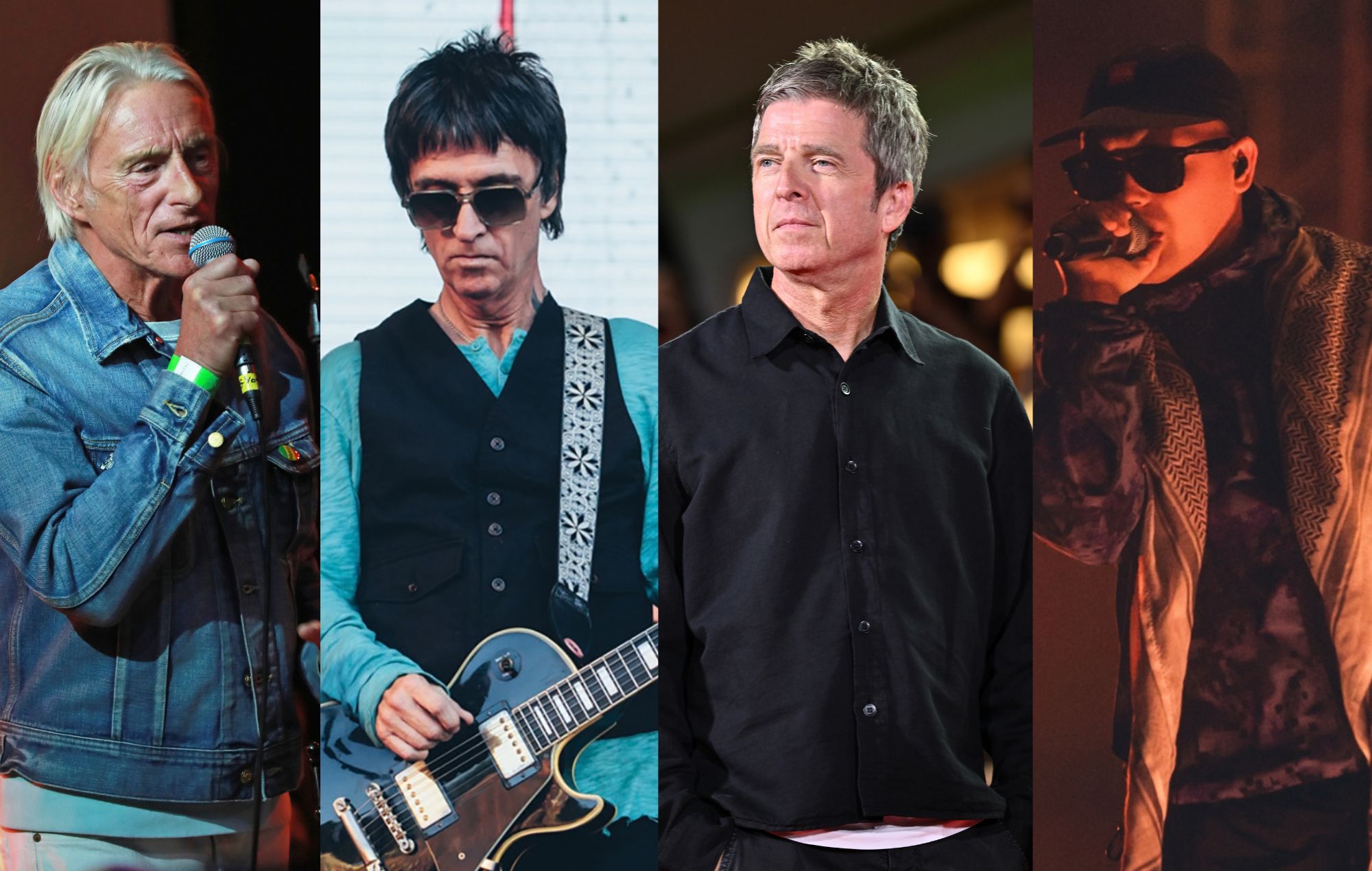
A long-running parading dispute in Portadown has drawn an extraordinary collective of British and Irish cultural figures into the political arena. Noel Gallagher, Paul Weller, Johnny Marr, and Belfast hip-hop outfit Kneecap are among dozens of artists who have put their names to an open letter supporting residents of the Garvaghy Road. The County Armagh community has been locked in an eleven-day standoff after a recent legal ruling cleared the way for an Orange Order march through the predominantly nationalist area.
If the demonstration goes ahead, it will mark the first time the loyalist institution has paraded along the Garvaghy Road since 1998. The Parades Commission had barred the organisation from the route for the past twenty-eight years, a measure introduced following intense street violence and civil unrest. The most notorious incident of that era occurred when an Ulster Volunteer Force petrol bomb attack took the lives of three young brothers, aged nine, ten, and eleven, who were killed inside their family home.
That decades-long prohibition was overturned by a High Court decision that eased the earlier restrictions and sanctioned a return. In an attempt to address community objections, the court attached specific conditions to the event, limiting the Orange Order contingent to thirty-five participants and shifting the starting time forward from one in the afternoon to eight in the morning. Those adjustments have done nothing to appease people living in the area, who have rejected the terms outright and mounted street protests in an effort to get the ruling rescinded.
Elected officials have also pressed for intervention. First Minister Michelle O'Neill approached Northern Ireland Secretary Sir Chris Bryant, warning that the prospect of the parade taking place has left local families dealing with sleepless nights caused by fear and anxiety.
The public appeal, which is likewise addressed to Bryant, frames the renewed standoff as a direct danger to wider regional stability. The letter points out that the Garvaghy Road community suffered deep trauma, fear, and upheaval during the parading clashes of the 1990s, arguing that asking residents to endure a return to those conditions after nearly thirty years of hard-won peace is completely unacceptable. Viewing the confrontation as a clear signal of just how precarious that peace remains, the signatories have called on Bryant to show political courage by looking beyond Britain and Ireland for an independent mediator who can act as a neutral arbiter in the dispute.
The musicians who signed the letter cross several generations and genres. In addition to Gallagher, Weller, Marr, and Kneecap, the appeal carries the signatures of Massive Attack founding member Robert Del Naja, Madness lead singer Suggs, Dexy's Midnight Runners frontman Kevin Rowland, Nadine Shah, Imelda May, Frances Black, Spider Stacey, and The Clash bassist Paul Simonon. A wider group of cultural figures has joined them, including actors Susan Sarandon, Adrian Dunbar, Maxine Peake, and Siobhan McSweeney, alongside director Ken Loach and novelist Irvine Welsh.
At the center of the petition is the principle that local consent cannot simply be dismissed. The artists maintain that residents deserve strong protections against parades forced through their streets without regard for their safety and their right to live without intimidation. Noting that their appeal comes from people who have witnessed the clear benefits of constructive relations between Britain and Ireland, the signatories argue that genuine partnership offers the only dependable way forward.