Dance music rarely demands that its producers think in terms of the long-playing record. For decades, the culture has run on the utility of the twelve-inch single, club tools pressed for disc jockeys, and quick tracks built to solve immediate problems on a crowded floor. John Talabot has spent most of his career comfortably aligned with that working method. The Catalan producer has built a dedicated audience not through regular promotional cycles or predictable release schedules, but through sporadic transmissions, isolated singles, and focused EPs that appear when he sees fit.
That deliberate pace explains why full-length projects occupy such a narrow slice of his discography. Across more than a decade, Talabot has put his name to only two proper albums. The first, his 2012 debut ƒIN, established his profile through patient arrangements, textured percussion, and an unusually warm, atmospheric approach to house and techno. It took another five years for a follow-up to materialize. When it did, it arrived in 2017 as The Night Land, a collaborative venture recorded alongside Axel Boman under the Talaboman moniker. After that record ran its course, Talabot drifted back into the background, stepping away from the spotlight and leaving behind an extended stretch of quiet, punctuated only by a pair of Talaboman singles that surfaced in 2023.
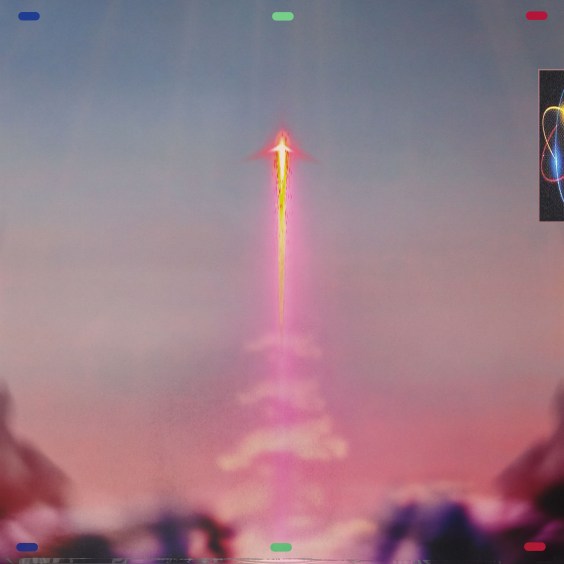
That quiet breaks this fall with the arrival of Music For Empty Stadiums, a new full-length solo album that marks his first major return to the format in years. Along with the initial details of the record, Talabot has shared its opening preview track, Nokik Messiah, offering a first glimpse into a project built around extended, sustained composition rather than short club utility.
Shifting back to an album format requires an entirely different creative posture for a producer accustomed to short bursts of material. A standalone twelve-inch demands prompt answers, rhythmic urgency, and an awareness of the sound system it is meant to inhabit. A continuous record, by contrast, gives an artist room to stretch out motifs, control momentum over an hour of music, and play with structural dynamics that would fall flat in the middle of a club set. The title Music For Empty Stadiums suggests a direct preoccupation with vastness, scale, and unoccupied space, ideas that align naturally with the dense, carefully sculpted sound design that has defined Talabot's best work over the years.
With Nokik Messiah circulating ahead of the full release, this fall brings the rare prospect of a sustained statement from an artist who usually keeps his output brief and elusive. For listeners who have tracked Talabot from ƒIN through the intermittent Talaboman records, the coming months promise an opportunity to hear what happens when he gives his ideas the room of an entire record once again.