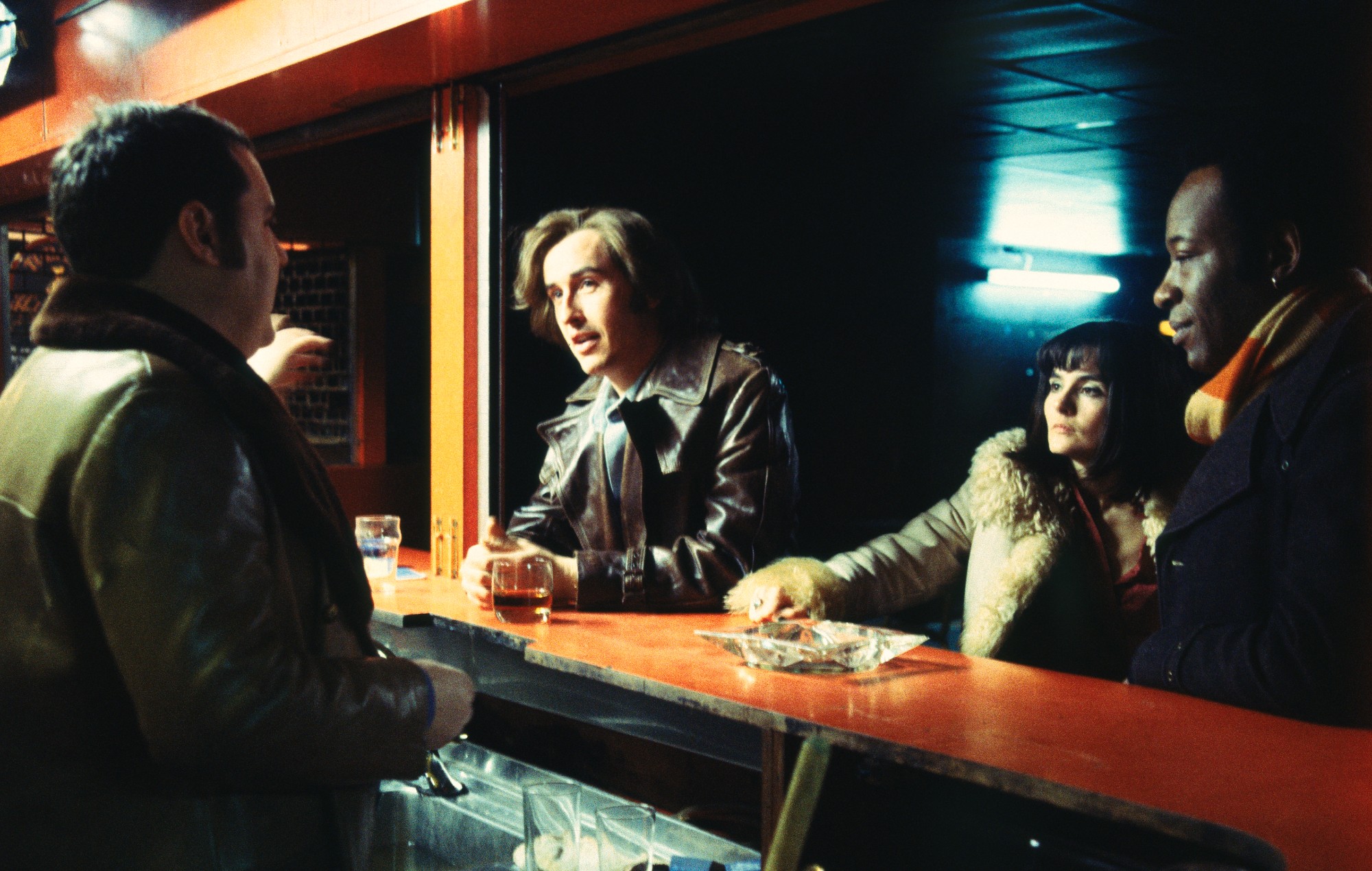
Most music films treat their subjects like secular saints, smoothing down the rough edges and building a tidy timeline. Michael Winterbottom never had any intention of doing that with 24 Hour Party People. When the film arrived in 2002, it tackled the rise and fall of Factory Records with the same noisy, unvarnished energy that drove the label itself. Marking its 24th anniversary, the film is returning to cinemas in a 4K remaster, giving audiences another opportunity to watch one of British cinema's most unusual portraits of a regional music scene.
The theatrical run begins across the UK and Ireland on Friday, October 9. Before that commercial launch, independent cinemas are hosting one hundred free community screenings. Home viewers will have their turn on October 26, when the physical 4K UHD disc and digital release land. To inaugurate the anniversary, Winterbottom joined actor Steve Coogan and producer Andrew Eaton in Manchester for a premiere screening and discussion at the Beyond The Music 2026 conference, bringing the conversation straight back to the place where the story occurred.
The centerpiece of the film remains Coogan's performance as Tony Wilson. Starting out as a Granada television host, Wilson found himself transformed by an early Sex Pistols show and determined to establish an empire on his own terms. Factory was born in 1978, quickly assembling a roster that reshaped British alternative music. Joy Division, A Certain Ratio, and later Happy Mondays all passed through the stable. Alongside New Order, Wilson and the label financed and ran the Haçienda, the nightclub that served as ground zero for the Madchester movement until harsh commercial realities brought the venture down.
Winterbottom, whose directing credits also include The Trip and Wolf Alice: On The Road, was fascinated by the sheer scale of the imprint Wilson left on his hometown. For the filmmaker, the project was about honoring the working philosophy of the people involved. The goal was never to promote textbook anarchy, but to document an environment where artists could experiment without external interference, even when the results turned out messy or reckless.
To match that outlook, Winterbottom bypassed typical period drama formulas. The production relied heavily on digital video, loose staging, and cast improvisation, setting up situations where the performers could react naturally to whatever happened around them. Wilson repeatedly addresses the camera, shattering the fourth wall. That device allowed the production to pull together years of history and several very different bands into a single thread, while leaning squarely into Wilson's status as a profoundly unreliable narrator.
Wilson himself played an active part during the development phase, meeting with the creative team to share recollections and personal stories. Other key figures from the era contributed as well. Bassist Peter Hook assisted during pre-production, while New Order arrived to DJ during a characteristically disorderly final evening of filming. Rebuilding the Haçienda brought its own practical hurdles, requiring the same frantic energy that defined the original club nights.
By treating the Factory era as a living, imperfect experiment rather than a museum piece, Winterbottom and his collaborators made a film that carries the very attitude of the bands on screen. The return of 24 Hour Party People in 4K serves as a welcome reminder of a moment when letting people follow their own instincts, with very little commercial caution, was enough to shift the identity of an entire city.